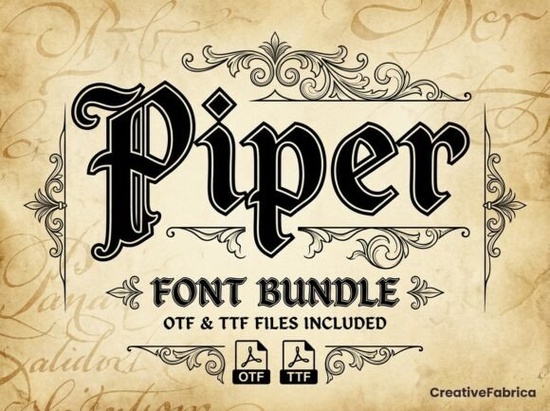
If you’ve been searching for a blackletter font that balances historical authenticity with bold visual impact, Piper Font is worth a closer look. Designed with the ornate flair of medieval manuscripts and old-world signage, Piper brings gothic letterforms into modern creative projects without feeling like a costume. Whether you’re designing craft beer labels, tattoo flash sheets, or vintage-inspired branding, this font adds gravitas and character in a way few display typefaces can.
What makes Piper stand out among blackletter fonts?
Unlike many digital blackletter fonts that simplify or stylize gothic forms too much, Piper retains the sharp angles, dramatic contrast, and intricate detailing that define traditional blackletter calligraphy. Each letter feels handcrafted almost carved yet remains legible enough for contemporary use. The bundle includes multiple weights or stylistic alternates (depending on the version), giving you flexibility whether you’re working on a poster, logo, or product packaging.
You’ll find it especially useful if your work leans into themes like:
- Historic or heritage branding
- Heavy metal or punk aesthetics
- Artisanal goods (think whiskey, coffee, or leather)
- Tattoo design or streetwear graphics
And because it’s a display font, it’s meant to be used at larger sizes perfect for headlines, logotypes, or short phrases where presence matters more than paragraph readability.
How can small businesses and creators actually use Piper?
For print-on-demand sellers, Piper works beautifully on T-shirts, mugs, and posters targeting niche audiences who appreciate gothic or vintage subcultures. A simple phrase like “Est. 1892” or “Brewed in Darkness” gains instant personality when set in Piper. Crafters using Cricut or Silhouette machines will appreciate its clean vector outlines, which cut cleanly without excessive detail that might fray on fabric or vinyl.
Small breweries and distilleries often struggle to stand out on crowded shelves. Using a distinctive blackletter like Piper for your brand name or limited-edition label can signal craftsmanship and tradition without looking like every other “vintage” IPA in the cooler. Just remember: pair it with a clean, neutral sans-serif for supporting text to keep things balanced.
If you're exploring options in this style, you might also want to browse other blackletter fonts available through Creative Fabrica to compare details and licensing terms.
Is Piper easy to install and use?
Yes. Like most Creative Fabrica fonts, Piper comes in standard OTF or TTF formats, compatible with Adobe Creative Suite, Affinity apps, Canva (via upload), and even basic word processors. Once installed, it behaves like any system font no special software needed. Some versions may include bonus glyphs or ligatures accessible through OpenType features, which you can toggle in design programs like Illustrator or InDesign.
One thing to note: because of its dense, ornamental nature, avoid using Piper in all caps for long phrases. It’s strongest when used sparingly as a focal point, not background text.
Where does Piper fit in the broader world of gothic typography?
Blackletter fonts trace their roots to 12th-century Europe, originally mimicking handwritten scripts used in religious texts. Over time, they became associated with authority, rebellion, and subculture from Nazi Germany’s early propaganda (later abandoned) to 1970s punk zines and heavy metal album art. Today, designers use them selectively to evoke mystery, strength, or timelessness.
Piper doesn’t romanticize the past but offers a respectful nod to it. For deeper context on the history and evolution of these letterforms, you can read more about the Piper typeface within Creative Fabrica’s catalog, which includes usage notes and stylistic comparisons.
Before you download: practical tips for getting the most out of Piper
Here’s a quick checklist to help you use Piper effectively:
- Use it big: This is a display font ideal for headlines, logos, or short statements.
- Pair wisely: Combine with a minimalist sans-serif (like Montserrat or Helvetica Neue) for contrast.
- Check your license: Creative Fabrica typically includes commercial use, but always confirm based on your plan.
- Avoid over-decoration: Let the font’s natural intricacy shine; skip extra shadows or textures unless essential.
- Test print output: If using for physical products, print a sample first fine details may need slight thickening for small-scale applications.
Whether you’re building a brand with backbone or adding dramatic flair to a personal project, Piper offers a grounded, visually rich option that respects its origins while working hard in today’s creative toolkit.
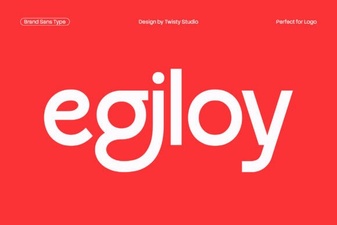 Egiloy Font: Creative Design Applications
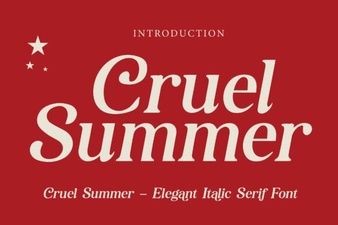 Designing with the Cruel Summer Movie Font Style
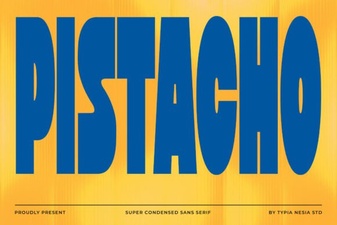 Pistacho Font for Modern Creative Projects
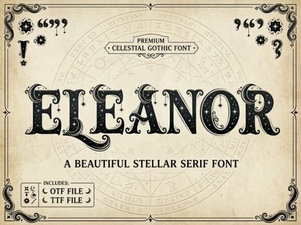 Eleanor Font: Elegant Design Styles & Ideas
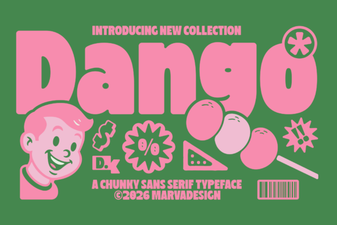 Dango Font: Where Design Gets Playful
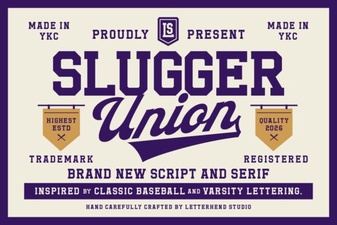 Slugger Union: a Bold Font for Modern Design Projects