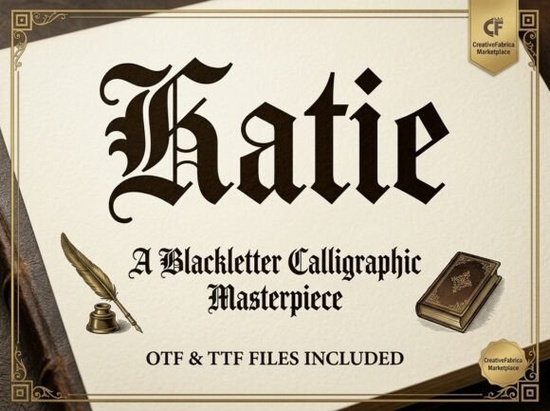
If you're looking for a decorative font that makes an immediate impression without sacrificing polish, the Katie Font is worth your attention. Designed with bold artistic flair and intricate letterforms, it’s built for projects where typography carries the message whether that’s a poster headline, a boutique brand logo, or standout social media graphics.
Unlike minimalist sans-serifs that blend into the background, Katie demands to be seen. Its ornate curves, subtle flourishes, and confident structure give it a distinct personality while still feeling professional. That balance makes it especially useful for creators who want their work to feel original but not chaotic.
What kinds of projects work best with Katie Font?
This font shines in visual-first contexts where impact matters more than readability at small sizes. Think big, bold applications:
- Poster and flyer headlines – Especially for music events, art shows, or boutique product launches.
- Brand identities – Ideal for creative studios, handmade goods, or lifestyle businesses wanting a memorable mark.
- Apparel and merch designs – Looks great on tees, hoodies, and tote bags where the text itself is part of the design.
- Social media quotes and announcements – Helps your content stand out in crowded feeds.
- Premium packaging – Adds an artisanal, high-end feel to labels and boxes.
Because it’s a display font, Katie isn’t meant for body text or long paragraphs. But for short, punchy statements? It delivers exactly what you need: instant visual interest with a handcrafted vibe.
How does it compare to other decorative fonts?
Decorative fonts can sometimes feel gimmicky or overly complex, but Katie avoids that trap by maintaining clean lines beneath its embellishments. If you’ve used fonts like Secoy Xecore or Adam, you’ll notice Katie sits in a similar space expressive yet usable. It’s less whimsical than Fox Josie and more structured than Star Tarot, making it a strong middle ground for commercial projects that still want personality.
For those exploring options, you can browse similar styles like Katie Font directly on Creative Fabrica to see how it stacks up against alternatives in real design mockups.
Is it easy to use across different platforms?
Yes. Katie Font works smoothly on both Mac and PC and integrates well with industry-standard tools like Adobe Illustrator, Photoshop, and InDesign. But you don’t need pro software to use it effectively it also performs reliably in beginner-friendly platforms like Canva, Microsoft Word, and Cricut Design Space.
That versatility matters if you’re a print-on-demand seller uploading designs to Merch by Amazon or Etsy, or a small business owner creating your own marketing materials. You won’t run into compatibility surprises, and the font files (usually OTF and TTF) install just like any standard typeface.
Tips for using Katie Font without overdoing it
Because of its strong presence, less is often more:
- Pair it with simple sans-serifs. Let Katie handle the headline while a neutral font like Helvetica or Montserrat supports subheadings or captions.
- Avoid tight spacing. The letterforms have detail give them room to breathe with generous tracking.
- Use it at larger sizes. Below 24pt, some flourishes may become muddy, especially in print.
- Limit color complexity. A single bold color (deep red, forest green, or classic black) often works better than gradients or patterns.
When used thoughtfully, Katie adds character without clutter. It’s not trying to be everything it’s a specialist font for moments when your words need to look as compelling as they sound.
Ready to try it?
If you’re working on a project that calls for confident, artistic typography, Katie Font offers a reliable blend of uniqueness and usability. Before you commit, consider downloading a preview or testing it in your usual design tool with your actual content it’s the best way to see if its personality matches your vision.
Quick checklist before you buy:
- Confirm your software supports OpenType features (if you plan to use stylistic alternates).
- Check licensing terms if you’re using it for client work or resale products.
- Test readability at your intended output size especially for apparel or packaging.
- Compare it side-by-side with similar fonts like Katie alternatives to ensure it’s the right fit.
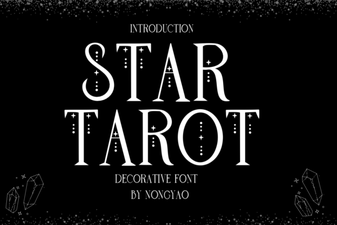 Star Tarot Font Design & Download Guide
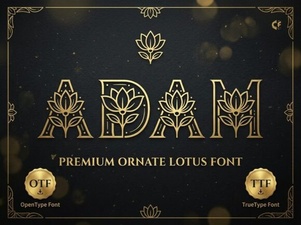 Adam Font: Design Projects & Creative Uses
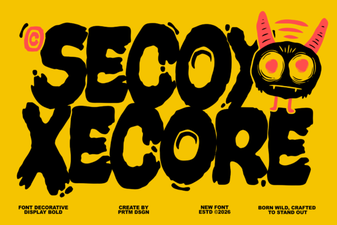 Secoy Xecore Font: Modern Display & Creative Usability
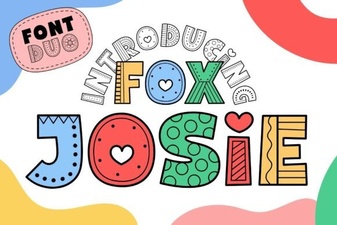 Fox Josie Font: Creative Design Projects & Ideas
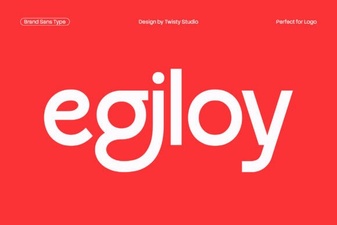 Egiloy Font: Creative Design Applications
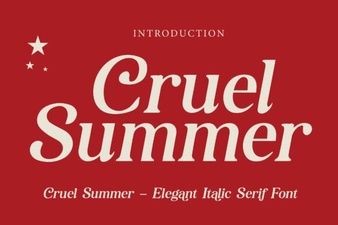 Designing with the Cruel Summer Movie Font Style