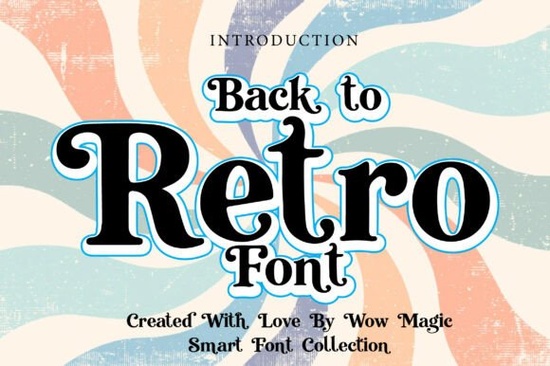
If you’ve been searching for a typeface that captures the warmth of vintage signage without feeling dated, the Back to Retro Font might be exactly what your next project needs. It blends nostalgic charm with clean, modern usability making it a smart choice whether you’re designing a café menu, a retro-inspired t-shirt, or social media graphics for a small business with old-school appeal.
This display font draws from classic mid-century lettering found on soda shop signs, vintage packaging, and editorial headlines. But unlike some overly ornate retro fonts, Back to Retro keeps its forms readable and versatile. The curves are friendly, the spacing is balanced, and it holds up well at both large and medium sizes ideal for print-on-demand products or branding where legibility matters.
What kinds of projects work best with this font?
Because of its personality-rich yet tidy design, Back to Retro shines in visual contexts where mood and tone matter as much as message. Think:
- Retail and food branding – coffee shops, bakeries, ice cream parlors, or boutique stores aiming for a timeless look.
- Packaging design – especially for handmade goods, candles, or artisanal snacks that benefit from a handcrafted, nostalgic feel.
- Event posters and flyers – for throwback-themed parties, record store days, or vintage markets.
- Social content – Instagram quote graphics, TikTok thumbnails, or Pinterest pins that lean into cozy, retro aesthetics.
- Book covers and zines – particularly for fiction, memoirs, or lifestyle titles with a mid-century vibe.
It’s worth noting that while Back to Retro works beautifully as a headline or display font, it’s not meant for body text. Like most display typefaces, its details are optimized for impact at larger sizes, not for long paragraphs.
How does it compare to other retro-style fonts?
Not all vintage fonts are created equal. Some lean too heavily into kitsch (think exaggerated serifs or wobbly outlines), while others feel stiff or overly digital. Back to Retro strikes a middle ground it’s playful but polished, nostalgic but not gimmicky.
If you like this aesthetic, you might also enjoy exploring similar options such as the Cameron Font, which offers a more structured retro-modern blend, or the Junaid Font for a hand-drawn, casual alternative. For sports-themed throwbacks, the Sports Baseball Font channels Americana energy, while the Lumina Inline Font adds delicate inline detailing perfect for elegant vintage labels.
Each of these brings something different to the table, but Back to Retro stands out for its balance of warmth and clarity making it a reliable go-to when you want “retro” without sacrificing professionalism.
Where can you use it legally and safely?
When you download Back to Retro Font through Creative Fabrica, you get a commercial-use license included. That means you can confidently use it on products you plan to sell whether that’s mugs, apparel, digital templates, or client branding projects. Just remember to review the specific license terms for your subscription type, as usage rights can vary slightly between personal and commercial plans.
For reference, you can always check the official listing: Back to Retro Font.
Tips for getting the most out of this font
To keep your designs feeling authentic not costume-y pair Back to Retro with simple, neutral supporting fonts. A clean sans-serif like Helvetica, Montserrat, or even a basic system font often works well for subheadings or captions. Avoid stacking multiple retro fonts together; one strong vintage element is usually enough.
Also consider color. Muted tones like olive green, mustard yellow, dusty rose, or slate blue enhance the nostalgic mood without overwhelming the typography. And if you’re using it for print-on-demand, test how it renders at smaller sizes some fine details may blur on low-resolution prints.
Finally, don’t forget kerning. Even though the font includes thoughtful default spacing, manually adjusting letter pairs (especially in logos or short phrases) can make a big difference in polish and balance.
Before you start designing, ask yourself:
- Is my audience likely to connect with a retro aesthetic?
- Am I using this font for headlines or short text not paragraphs?
- Have I paired it with a complementary neutral typeface?
- Did I check the license to confirm commercial use is covered?
- Have I tested the design in its final format (e.g., mockup, print proof)?
Answering “yes” to most of these means you’re ready to bring that classic charm into your work with confidence and clarity.
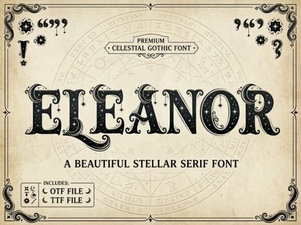 Eleanor Font: Elegant Design Styles & Ideas
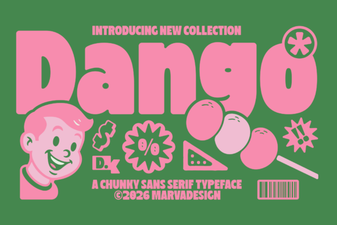 Dango Font: Where Design Gets Playful
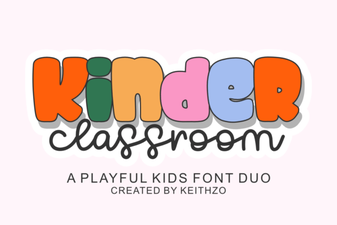 Creative Kinder Font Ideas for Classroom Design
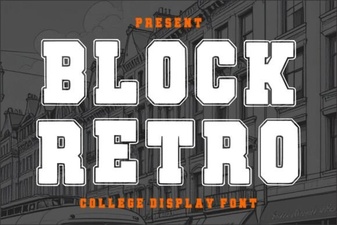 Design & Use Retro Block Fonts Creatively
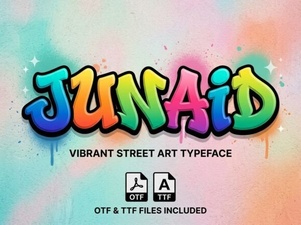 Junaid Font: Creative Typography for Modern Design
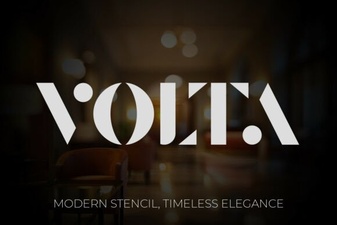 The Volta Font for Modern Web Design Projects